This article shares my experiences and lessons learned while working on side projects. For general information about side projects, please refer to What Side Projects Mean for Developers.
SPA in the jQuery Era (Angular1, React)
It was an era of transition from jQuery to the world of SPA, so I had to build services like the one below.
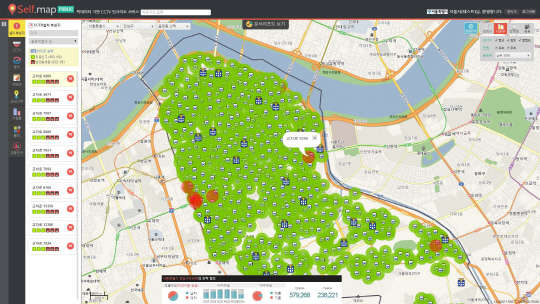
I proposed Angular1, but the company decided to build a jQuery-based module system because of the learning cost. (I think the implementation cost was actually higher.)
When building the jQuery-based module system, I studied Angular1 and early versions of React (Class components) during lunch while eating my lunch box, and applied the concepts I learned to the systems we were building internally.
Studying React
When I came to Japan, it was still the jQuery era, but since I had already felt the benefits of Angular and React while building the above service, I wanted to study more. So even after coming to Japan, I studied alone during lunch.
- Studying alone is hard ➡️ Study together
However, when studying alone, I couldn’t ask questions even if there were parts I didn’t understand, so I thought it was difficult to study alone and gathered internal members to study together while having lunch.
- Studying together is also hard ➡️ Study alone
But as schedules didn’t match, motivation dropped, and the number of members who studied properly decreased, it started to negatively affect me. So the study group disbanded.
Since studying alone is difficult and running a study group is also difficult, I thought it was important to find a method that suits you.
Now there are many resources, YouTube, ChatGPT, and communities are well developed, so I think you can study more easily by utilizing these.
Started React Native to Learn React Technology Deeply
I studied React quite a bit, but the company was still using jQuery as the main technology, so it was difficult to introduce React at the company. (Member study failed)
But personally, I wanted to raise my skills to the product level, and I wanted to go to a company that uses React when I change jobs later. However, not having actual development experience with React was a bottleneck.
At that time, there was no GitHub Pages, so there was no environment to practice frontend, so I decided to improve my React skills while developing apps with React Native. (I thought about side projects. At that time, I didn’t even know this term.)
The reason I thought about apps was that I thought if I did all the processing within the app, there would be no server costs.
The first app I made was a learning app for my child.

I planned the screens

I managed the project with Trello (because we used Trello at the company)

I designed with SketchApp. (A tool used at the company. Figma didn’t exist yet. It was a revolutionary tool in this era.)

I actually developed it with React Native and deployed it.
- If you’re interested, please refer to the blog: https://deku.posstree.com/en/blaboo/development-journal/
This was the beginning of my side project life.
App development took 3 months (1-2 hours daily, a bit more on weekends), and release took 2 months (I failed Apple’s review many times). I wanted to give up in the middle, but at this time, I paid Apple’s developer registration fee in advance, and this money made me think I should finish it because it would be a waste.
Since it was the first app I made, the code was a mess, and there was no test code. Currently, it has been replaced with Flutter. (Currently, I only update the library version regularly and release it.)
From Learned Content to Blog, Then Published 3 Books
I started the development blog before developing apps with React Native. It was to organize what I studied, to reuse what I learned while working at the company, and to share development content and get feedback when doing side projects in the future.
When I organized what I studied and what I learned while developing apps, it seemed to have a pretty good reputation for beginners. So a publisher contacted me and I published 3 books.
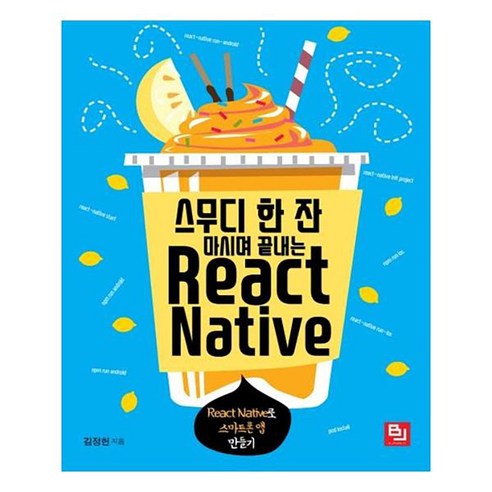
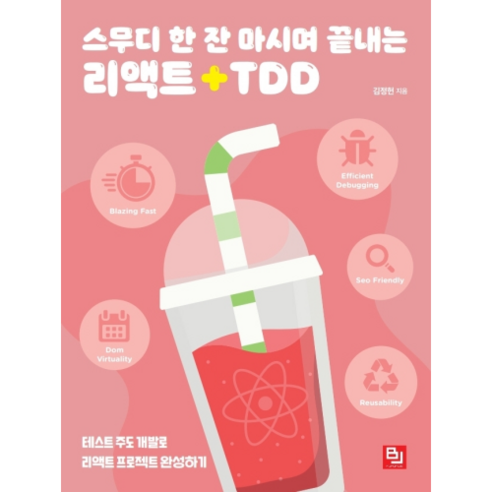
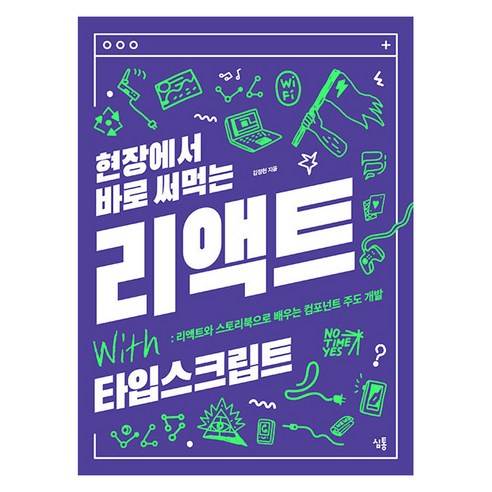
Writing the books took about 3 months (1-2 hours daily, a bit more on weekends). Since there was quite a lot already written on the blog, it was mostly organizing that and adding a bit more content.
I don’t know if it’s the same in Japan, but in Korea, when a book sells, 10-12% comes back, so it didn’t make money. There were achievements of self-satisfaction and a slight increase in recognition. (Even now, some developers contact me occasionally through communities.)
Bringing Learned Skills to the Company
A group company transfer was decided by the parent company of the company I belonged to, and I moved to a company that makes reports with Line chat-bots. There, it was a new world of making chat-bots using Line chat-bots and IBM’s Watson, so I worked happily. Personally, I was making a Japanese learning app as a side project.
I gained confidence in developing apps with React Native, and with the thought that I could solve problems the company wanted to solve, I came up with a new idea and made a prototype with React, Electron, and React Native, and it received good evaluation and became a product together.
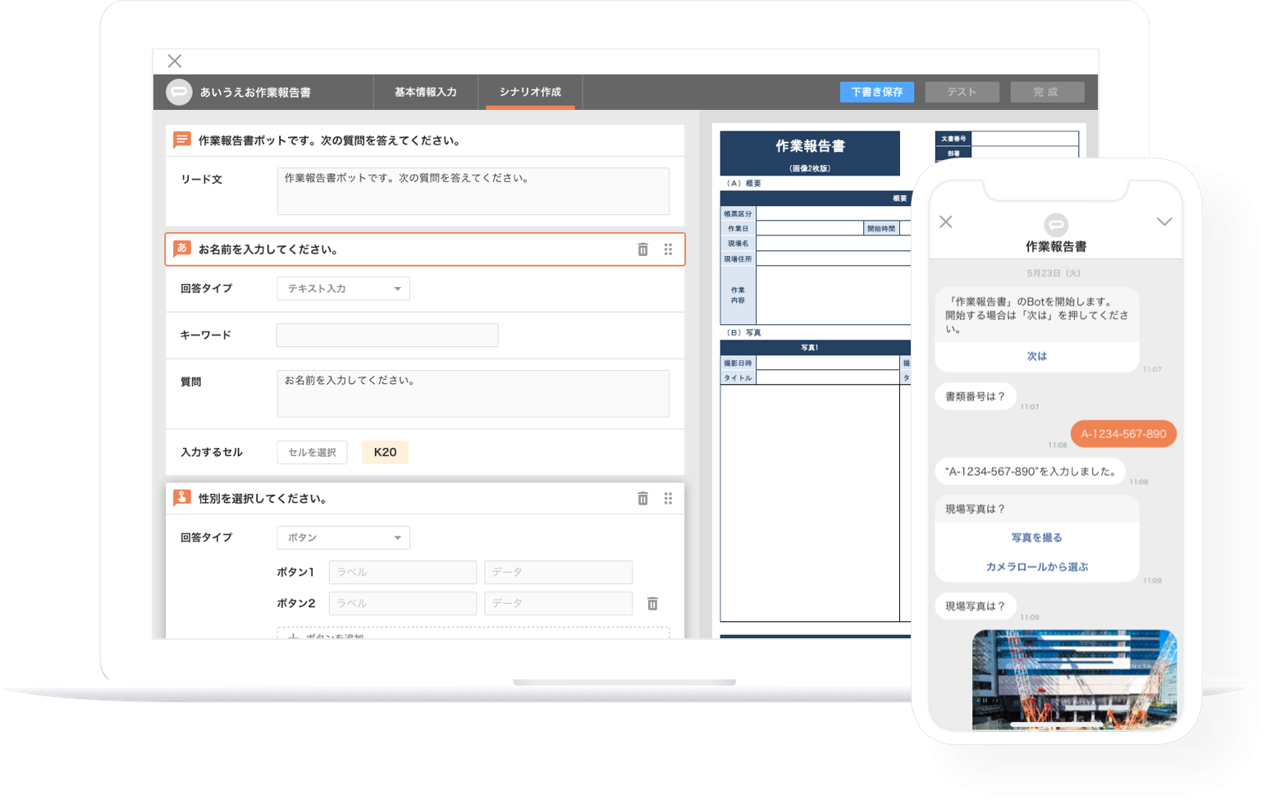
It was highly evaluated for appropriately solving the company’s problems and became a service. I think you can bring side projects to work like this.
(Development took about 2 months, and I completed it by making 1 hour of company time and 1 hour of personal time.)
Using Side Projects as Portfolio for Job Change and Side Jobs
I used making apps with side projects and having what I made become a service at the company as a portfolio, and changed jobs with a significant salary increase. (About 2x)
Also, I received requests from acquaintances and made apps for them.
- App development with React Native
Also, I developed a Japanese vocabulary learning app for studying Japanese while living in Japan, and it is still in operation.
Currently, it generates about a month’s salary in income.
Like this, if you utilize side projects well, you can get economic benefits.
What I Learned While Making the Japanese Vocabulary Learning App
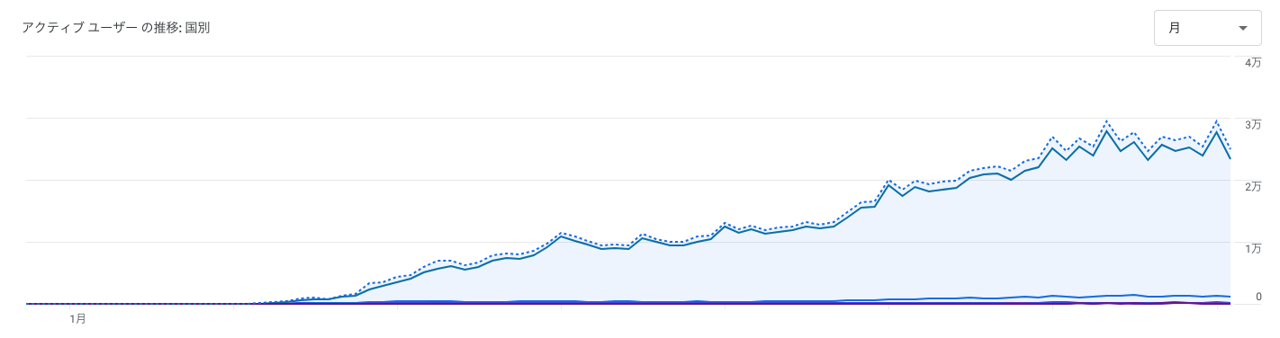
The Japanese vocabulary app seems to have about 30,000 users now. (DAU 2,000-3,000)
At first, the DAU was about 1-10 (1 was me). Watching the daily visitor count was my hobby. (I was really happy when it increased by 1 person.)
Design
There was a period when people increased rapidly, and my conclusion was design.

There were quite a few people at the company who wanted to become frontend developers from designers, and when I studied with them, I learned about a design called Neumorphism, and I personally fell in love with that design and changed the design.
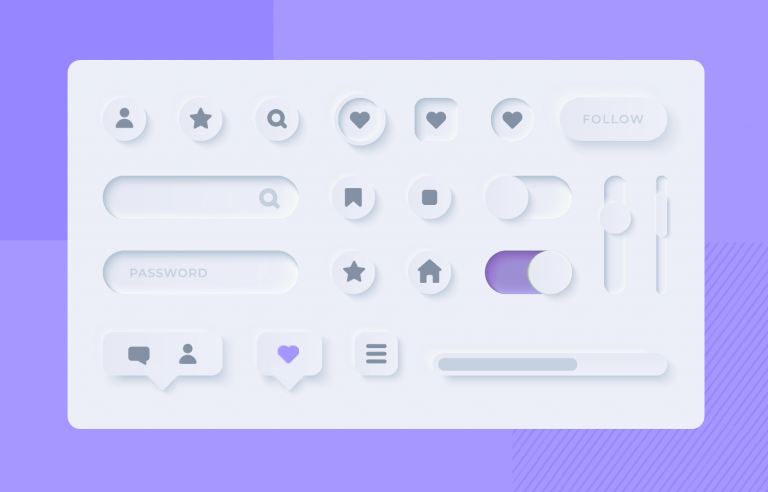
Currently, the design looks like this.
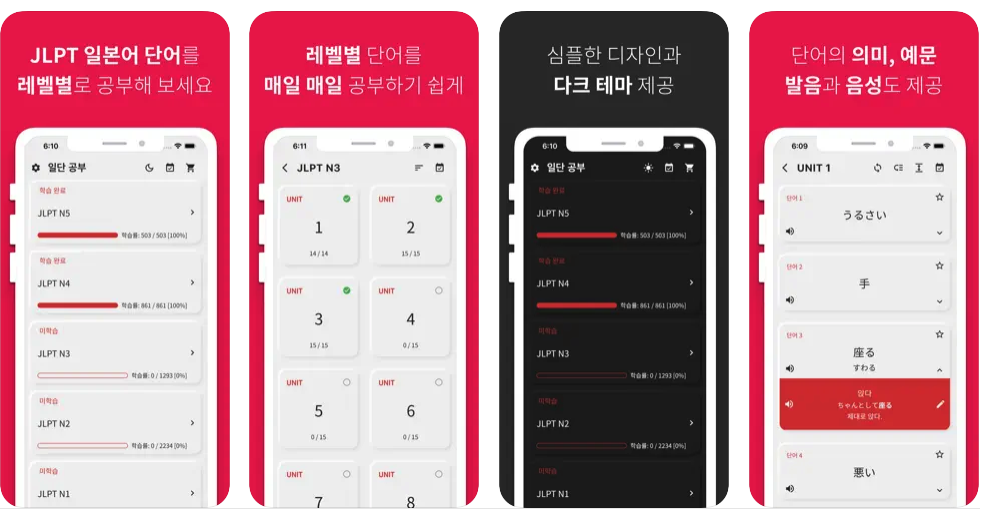
(The learning system is the same) After changing to this design, users started to increase quite a bit. (0-1 people daily ➡️ 10-100 people. The search ranking was high, but I think the design prevented downloads.)
I felt that design is important. (After the design change, there were users who wanted it reverted, so it wasn’t that bad… I think.)
Dark mode was added at users’ request, the color change function was also added at users’ request, and it still receives quite high ratings. (This also became an opportunity for users to increase.)
Advertising is Difficult as a Business Model
I put ads in the app from the beginning, but it doesn’t help with revenue. (At first, it was about 1-10 won. But I was still happy.)
If there’s anyone thinking about business with advertising, I think you should reconsider.
Payment Systems Are Surprisingly Used
I added a subscription payment of about 4000 won. Even my wife said “Who would pay for that,” and I honestly didn’t expect it either. The reason I added it was because I wanted to use the app without ads. But surprisingly, many people are paying.
I think the premium business model is surprisingly effective.
The Best Marketing is Product Development
I don’t do any special advertising, and I’m only focused on developing an app that users can use easily rather than money. Since the goal isn’t to become super rich with this, I’m trying to provide it as cheaply as possible, and I’m faithfully developing features to help my studies.
Users seem to appreciate this, and they’re introducing the app a lot.
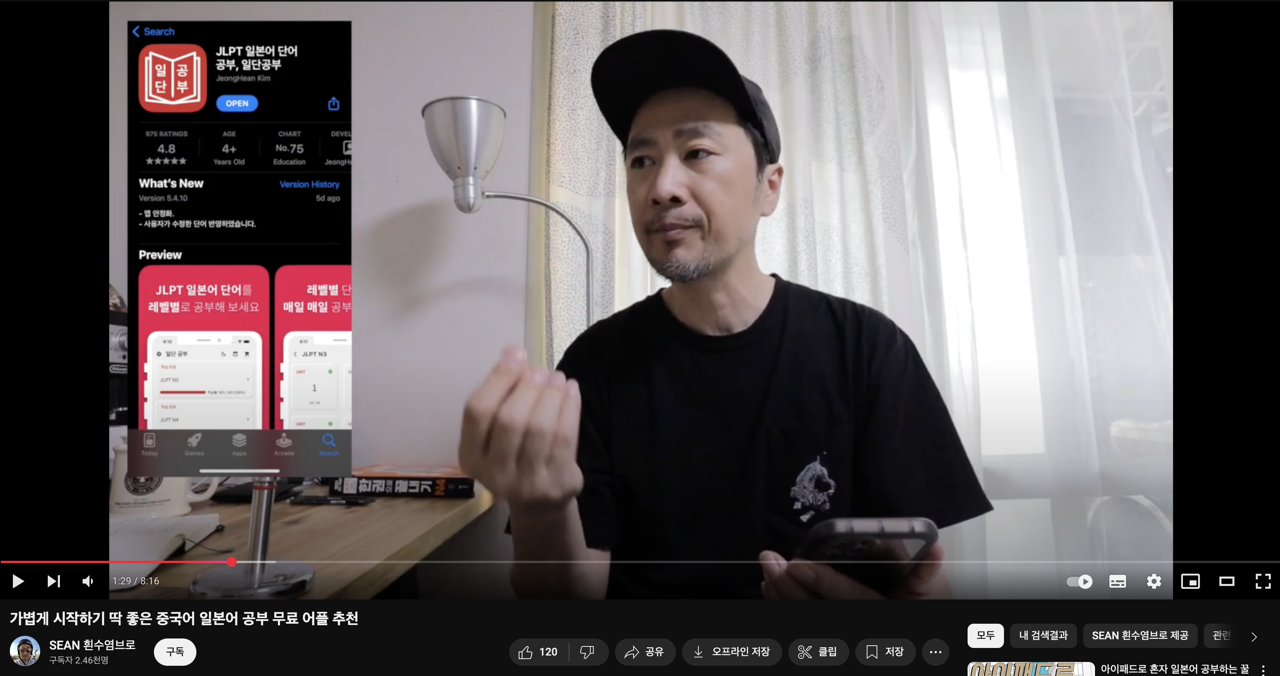
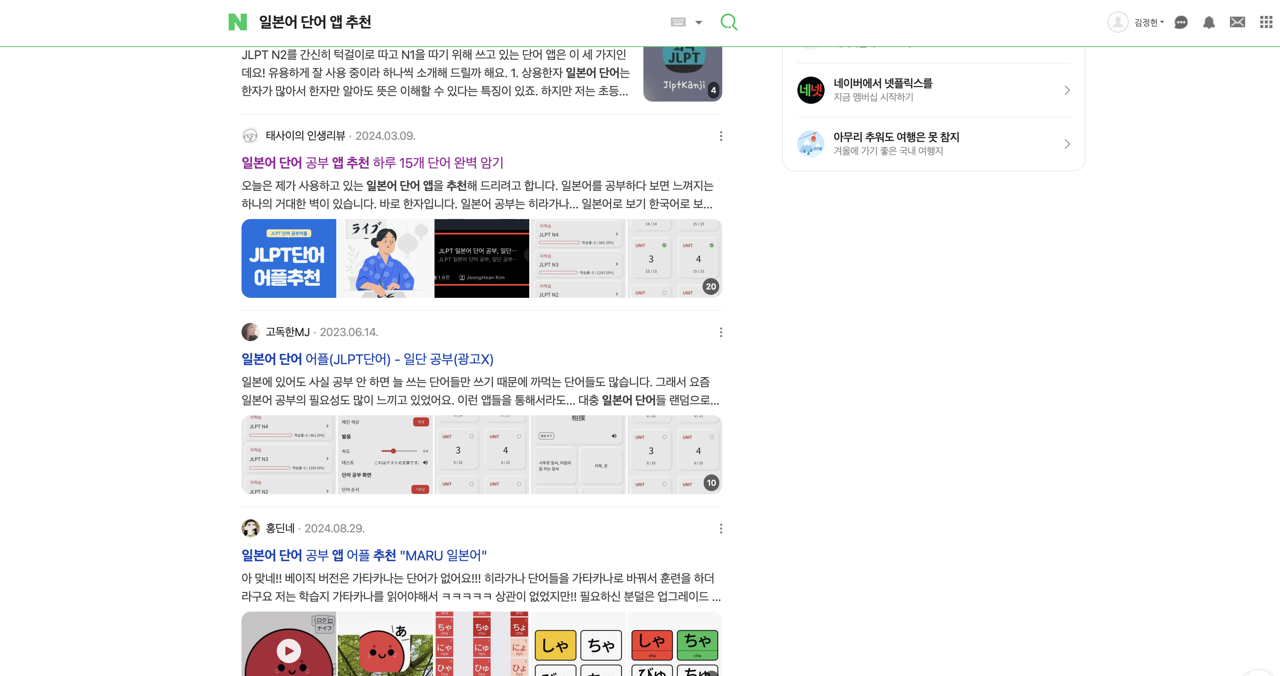
Like this, I think if you make a product well, the product itself becomes its own advertisement.
The Importance of a Single Word
When responding to user reviews, I leave the words “Please recommend to others.” (Only to users who gave 5 stars)
Users read those words and don’t actually act on them, but it stays in their subconscious, and when Japanese or studying comes up, they remember and recommend it.
Also, people who write blogs become motivated to write blogs like the images introduced earlier.
A single word seems to have really great power.
Failed Projects
Of course, there are also failed projects.
- I made a picture book app for children with a company colleague who wanted to become a manga artist. I stopped maintenance because there were no users and author registration was cumbersome. It’s a precious app that was the first collaboration with someone else. (I might contact them again and make it)

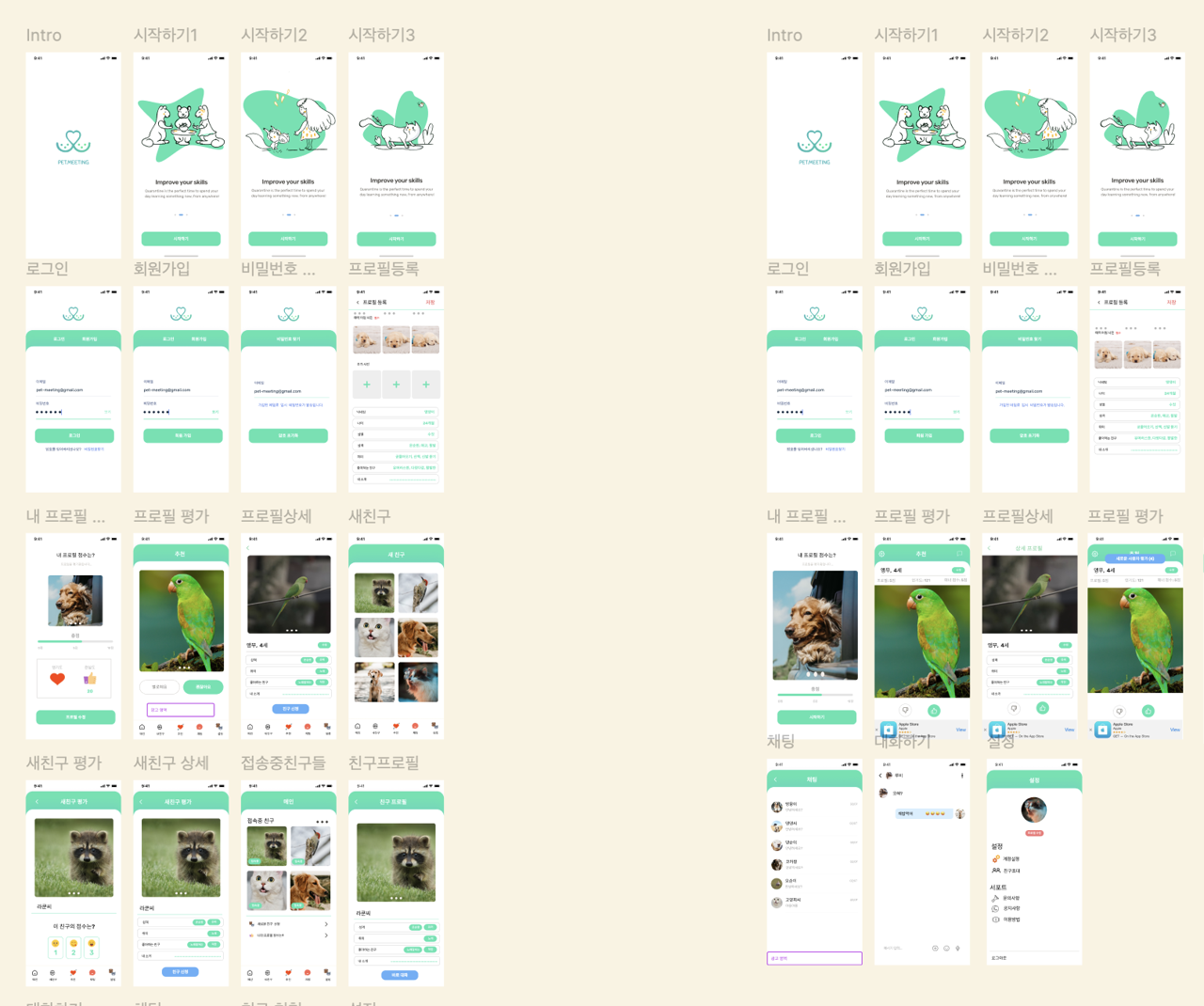
- I planned and proceeded with a pet-based matching app with a Korean acquaintance. (I wanted to study server-side Python, so I was in charge of the backend in this project) But we couldn’t get to deployment. The other person lost motivation and it was discontinued.
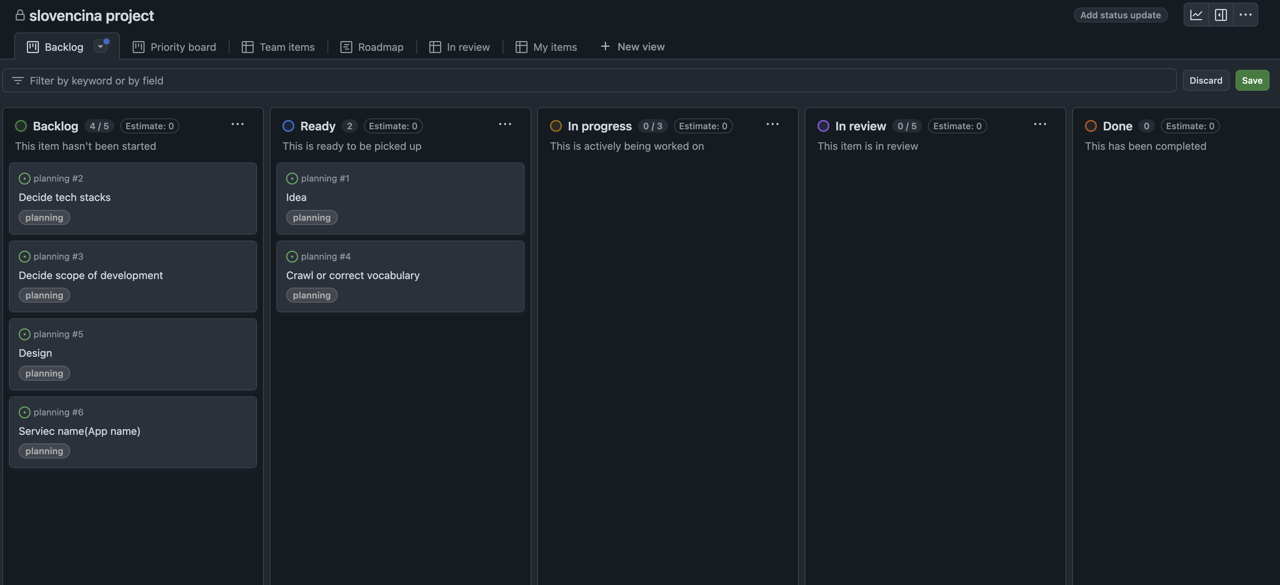
- A Slovakian who worked with me at my previous job married a Japanese person and returned home, and this project started when they said let’s make it for their wife. This one was also discontinued because the other person lost motivation. (I might do it personally)
Side Projects Continue
There are many failures, but I’m still trying to continue with side projects. This time too, I started a side project while thinking about ways to make Japanese visa applications easier with an acquaintance.
I don’t know how long this project will last, but I plan to continue growing as a developer while continuing with side projects.
The reason I can continue with side projects like this is because I keep operating costs to a minimum and because of the experience of success I tasted once (the vocabulary app).
If you’re curious about general information about side projects, please refer to What Side Projects Mean for Developers.
Was my blog helpful? Please leave a comment at the bottom. it will be a great help to me!
App promotion
Deku.Deku created the applications with Flutter.If you have interested, please try to download them for free.